Restaurants and bars have more ways than ever to get attention. Instagram, TikTok, influencers, press, reviews, Google Business Profile, and word of mouth can all put your business in front of someone deciding where to eat or drink. Getting noticed is important, but is it getting you the reservations?
People still have questions. Is this right for date night? Can eight of us sit together? Is it too loud for dinner with my parents? Are there vegetarian options? What will we spend? Is parking a nightmare? Good restaurant marketing doesn’t just create interest. It gives people the information they need to decide that your restaurant is the right choice. It can also weed out the wrong people so you don’t end up with a bad review.
People Aren’t Just Searching for Food
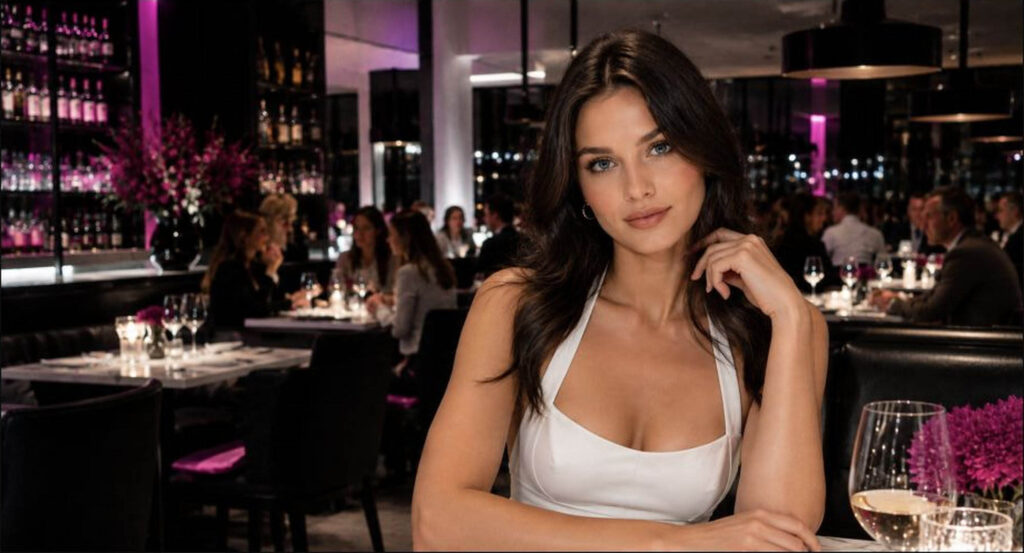
Restaurant decisions are often about the experience as much as the food. Someone may be looking for a lively bar for cocktails after work, an intimate restaurant for date night, somewhere impressive for a business dinner, or a place that feels special enough for a birthday. The occasion matters, but so does the experience they want to have.
Your customer journey should answer the practical questions while also giving people a real sense of what it will feel like to be there. Wherever someone encounters your restaurant, the information and presentation should be accurate, consistent, and set the right expectations.
Your Website Is the Heart of the Operation
Social media can create awareness and desire. Press can build credibility. Google can help people find you. Your website is where all of that interest should come together and give someone a clear sense of the experience they can expect.
Reservation platforms like OpenTable are great for checking availability and booking a table, but people often want more information before they commit. They may visit your website to look around and get a better feel for the restaurant or even figure out what to wear. Your website can provide the bigger picture a reservation platform can’t.
That thinking is what shaped our Tavern restaurant website concept. The goal was to communicate the food, atmosphere, and personality of the restaurant while making the information people need easy to find.
AI Is Changing How People Choose Restaurants
People have been searching Google for things like “romantic restaurants near me” or “restaurants with private dining” for years. AI is making those searches much more specific. Someone can now describe exactly the kind of restaurant and experience they’re looking for, right down to the occasion and the needs of their group, and ask AI to narrow the choices. Instead of searching for each requirement separately, they’re asking for recommendations that put all of those requirements together.
The more search engines and AI platforms understand about your restaurant, the better they can determine when you’re a good fit for the plans people are making and include you in their recommendations.
Online Marketing Restaurants and Bars Can Do Right Now
You don’t need to be everywhere or chase every new marketing trend. Start by making it easier for the right people to find you, understand the experience, and make a reservation.
- Show more than the food. Include current photos of the dining room, bar, patio, exterior, private spaces, and what the restaurant looks like when people are actually enjoying it. A close-up of pasta may make someone hungry, but it won’t tell them if the restaurant is right for an anniversary dinner.
- Make your menu easy to find and read. Keep prices and dietary information current, and use a mobile-friendly webpage whenever possible instead of making people pinch and zoom their way through a PDF from 2023.
- Answer the questions that influence the decision. Explain parking, dress code, dietary options, noise level, outdoor seating, accessibility, corkage, large-party options, private dining, and anything else guests regularly call to ask. This information also gives search engines and AI platforms more context when matching your restaurant with a specific request.
- Create content around occasions and experiences. If you’re especially good for date nights, business dinners, birthday celebrations, happy hour, live music, or private events, give each one enough information to stand on its own. Don’t make people piece together the experience from six Instagram posts and a Yelp review.
- Keep your information consistent everywhere. Your website, Google Business Profile, reservation platforms, social media accounts, and directory listings should agree on your hours, address, menu, reservation link, and available amenities. Conflicting information creates doubt, and doubt is very good at killing a reservation.
- Make booking ridiculously easy. Place a clear reservation button where people can find it immediately, especially on mobile. Connect your preferred booking provider to Google when possible, and test the entire process yourself periodically. A broken booking link is the digital equivalent of locking the front door during dinner service.
- Pay attention to what turns into business. Track website visits, reservation clicks, calls, directions, and bookings instead of judging your marketing entirely by likes and views. Attention is nice. Filled tables pay the bills.
Turning Buzz Into Bookings
Restaurant marketing should do more than get your name and food in front of people. It should give them a sense of what makes the experience special and create enough intrigue that they want to be part of it. The right digital strategy can help turn that intrigue into reservations. Getting someone to think “that place looks good” is great. Getting them to think “that’s where we’re going” is even better.