When people compare businesses online, they are not just looking for information. They are trying to figure out which business feels like the right fit for what they want. They are also deciding which one seems more capable and more aligned with the level of service or experience they expect.
In general, the more money they are planning to spend, the more research they are likely to do before making a decision. Quite often, people make those decisions quickly and without fully realizing how much they are being influenced by what they see.
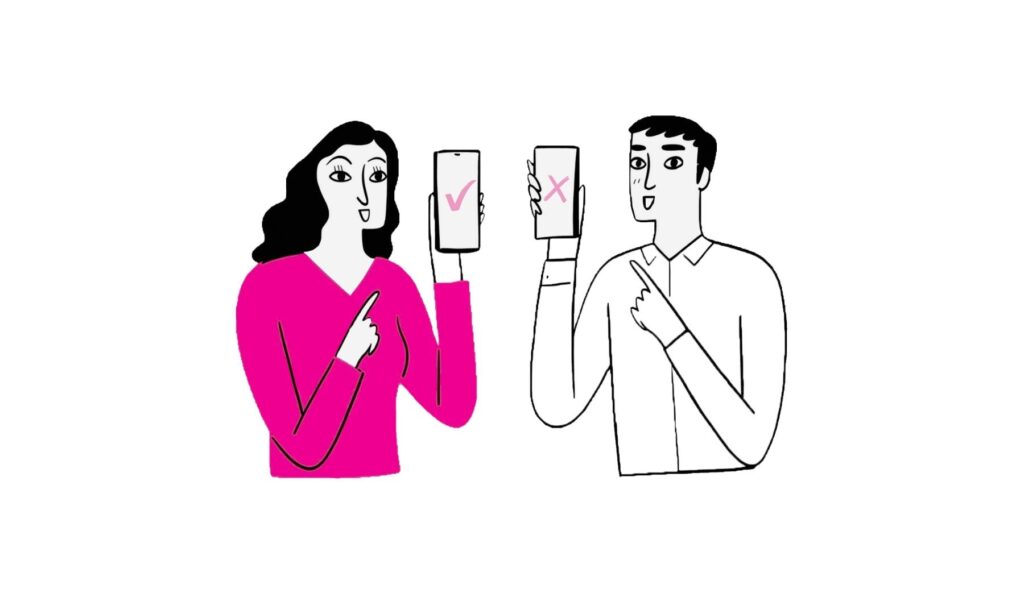
That is why one business can have the advantage over another before a conversation ever starts. A better website creates a stronger first impression. It helps people understand the business more quickly, trust it more easily, and feel more confident in the business itself. That confidence makes it easier for people to feel they’re making the right decision.
The good news is that a better website is not just about spending more money or adding more extravagant features. It usually comes down to doing a handful of important things better than the competition.
1. Be Clear
If someone lands on your website and has to work to figure out what you do, who you help, or why it matters, you are already giving away ground.
One of the biggest advantages a website can have is clarity. When a customer compares multiple businesses, the site that explains itself more clearly often feels easier to trust. It feels more established, more professional, and more confident in what it offers.
That does not mean every line of copy needs to be long or overly detailed (in fact the opposite is more often true.) It means the website should quickly answer the questions people are already asking in their heads:
- What does this business actually do?
- Is this relevant to what I need?
- What kind of customer is this for?
- What makes this business different from the others I’m looking at?
- How much will this cost?
- Will it be worth the money?
When the answers are vague, generic, or buried under clever wording, the website loses power fast. A competitor with clearer messaging will often look like the safer choice simply because the decision feels easier.
2. Show proof instead of just making claims
Anyone can say they’re the best (and we’ve all seen them try.) Anyone can call themselves experienced, trusted, high-end, or detail-oriented. A better website backs those claims up.
When people compare businesses, proof matters. It gives potential customers something concrete to look at beyond your own marketing language. It helps move them from “this sounds promising” to “this feels established.”
That proof might take different forms depending on the business:
- photos that show the quality of the business, product, or experience
- recognizable clients
- testimonials or reviews
- case studies
- examples of past work
- before-and-after examples
The exact mix depends on the industry, but the principle stays the same. The businesses that make their value of service or product easier to see often have the advantage over the businesses that simply describe themselves well.
3. Make the website easy to navigate
People compare businesses quickly. If your website makes them hunt for basic information, the competitor with the clearer structure has an edge.
Quality web design does not force visitors to guess where things are, dig through confusing navigation, or bounce between pages while trying to understand the business. It makes important information easy to find, helps answer obvious questions quickly, and gives people a clear path to the details they need.
That includes things like:
- navigation that makes sense
- service pages that are easy to find
- content organized in a logical order
- easy to find FAQ pages that answer common questions
- a good mobile experience
When someone decides whether to contact you, every bit of friction matters. If your competitor’s website makes it easier to find answers, understand the business, and move from one question to the next, that creates an advantage even if the actual businesses are fairly similar.
4. Create the right first impression
The quality of your work may be excellent. Reputation and word of mouth may be strong, but if your website looks dated or visually weak, potential customers notice. They may not consciously list every issue, but they still feel the mismatch.
Design matters because people are visual. Photography matters because it shapes the emotional impression of the business before a word is even read. Videography, imagery, layout, typography, branding, spacing, and overall presentation all influence whether the website feels current, professional, premium…or forgettable. These considerations become especially important for magazine website design, fashion, hospitality, retail, and other industries where visual presentation is an important part of the customer experience.
A website does not need to be flashy to be effective. It should, however, feel visually aligned with the type of business you are and the kind of customer you want to attract. If your website looks thrown together or visually below the level of the actual business, it creates doubt. A good-looking website creates confidence in your brand.
That matters even more for businesses selling a premium service, a high-end product, or a more elevated experience. With boutique hotel website design, luxury retail, restaurants, and other experience-driven businesses, the website itself becomes part of what the customer is evaluating. If the website does not support that positioning, the competitor whose site does may immediately look like the stronger option.
5. Keep the website current
Businesses can evolve. Services change. The work gets better. The audience shifts. The business grows. When that happens, your website needs to reflect those changes. An outdated website does not just look old. It can make the business feel less active, less in-touch, or less relevant. Old visuals and messaging, neglected pages, and incorrect information all make it easier for a competitor to look better by comparison.
Keeping a website current does not mean redesigning it every year. It means making sure it still supports the business you are today. Ask yourself:
- Does the messaging still reflect what you actually want to sell?
- Do the visuals still represent the level of work you are doing now?
- Do the services and examples still match the direction in which the business has grown?
- Does the site still feel current, maintained, and relevant to your target audience?
A website will never matter more than the quality of the work itself. However, the businesses that win online are often the ones that do the best job of making people feel confident they’re making the right decision.