
Originally published September 2024. Updated July 2026.
One of the biggest misconceptions about websites is that once they’re built, they should just keep working forever. Unfortunately, it doesn’t really work that way.
Every so often, I’ll receive a call or email from a client because something on their website has stopped working. It might be a contact form that no longer sends emails, a booking system that suddenly refuses to cooperate, a page that looks broken, or an online store that won’t complete a purchase. The website may have worked perfectly for months or even years. Then seemingly overnight something stops working.
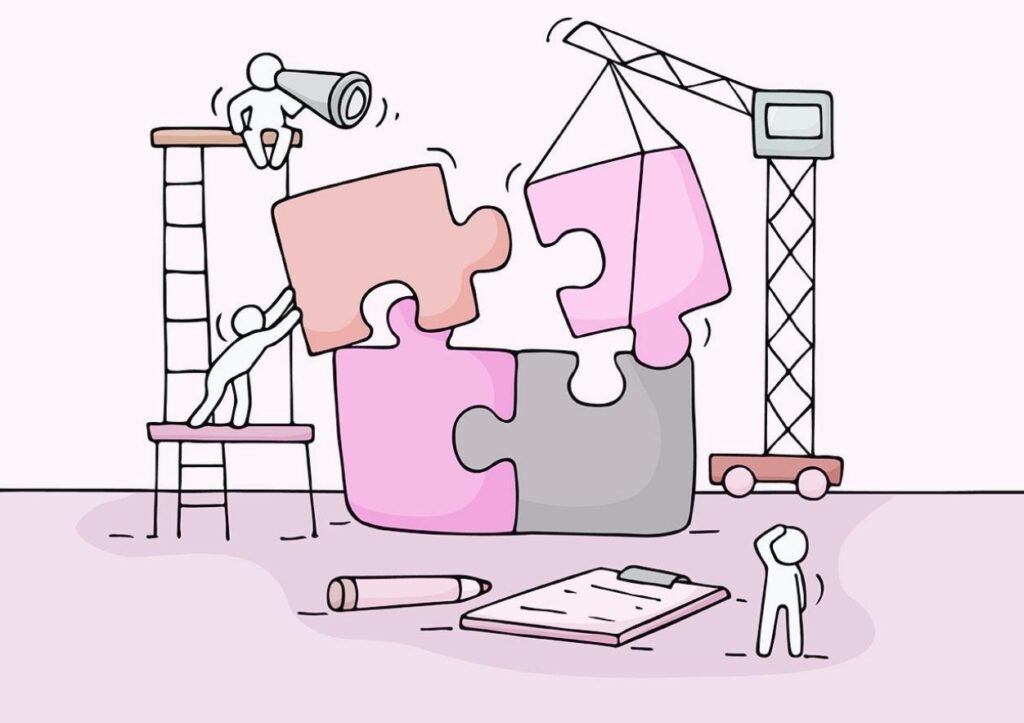
Modern websites aren’t one piece of software. They’re a collection of technologies working together. WordPress, plugins, themes, your hosting environment, web browsers, payment processors, email marketing platforms, spam protection services, and countless other tools all play a part in keeping a website running smoothly.
Most of the time, they continue working together without any issues. Occasionally, one of those technologies changes just enough that another needs a small adjustment. That doesn’t necessarily mean anything is broken. It simply means the website needs to keep pace with the technology around it.
Software Changes are Constant
One of the most common examples is software updates. Plugins and themes are updated regularly to improve performance, introduce new features, and fix newly discovered security vulnerabilities. Those updates are important because they help keep your website secure and compatible with newer technology.
Sometimes an update also changes the way a plugin works behind the scenes. If your website includes custom web development, that custom code may need a small adjustment so everything continues working together as expected. That’s a normal part of owning a modern website.
Your Hosting Environment Changes Too
Most business owners rarely think about their hosting company after the website launches, but hosting providers are constantly improving their infrastructure.
Server software, PHP versions, databases, security settings, and caching technologies are all updated over time to improve speed, reliability, and security. Those improvements are generally a good thing, but they can occasionally expose older code that now needs updating. Again, nothing has necessarily gone wrong. The technology has simply moved forward.
Like Time, the Web Doesn’t Stand Still
Your website also communicates with many other services every day. Payment gateways, booking platforms, Google Maps, CRMs, analytics tools, email marketing platforms, and countless other online services regularly update the way websites connect with them. Web browsers such as Chrome, Safari, Firefox, and Edge continue evolving as well.
Most of these changes happen quietly in the background, but every now and then they require a small adjustment to keep everything working the way it should.
Businesses Change
Technology isn’t the only thing that changes. Businesses do too. To accommodate those changes, new pages are added. Navigation grows. New services are introduced. Images are uploaded. Staff members make updates. New plugins are installed to add functionality. Before long, the website is doing far more than it was originally designed to do. None of this is unusual. In fact, it’s often a sign that the business is growing.
Most business owners aren’t web developers, so there’s no reason they would expect a seemingly small change to affect something else on the website. A plugin that looks useful might conflict with another one. A page title that’s twice as long as the original can affect the layout. Uploading very large images can slow down page speed. Individually these changes may seem minor, but over time they can begin to affect how the website performs.
A website should evolve as a business evolves. Occasionally, that means reorganizing navigation, refining layouts, updating code, removing unnecessary plugins, or making other improvements that help the website continue supporting the business instead of holding it back.
This is Why Website Maintenance Exists
Website maintenance isn’t just about installing software updates. It’s the ongoing process of making sure your website continues working reliably as both your business and the technology behind it continue changing. That includes installing updates carefully, testing important functionality afterward, monitoring security, confirming backups are working, checking for compatibility issues, reviewing changes made to the website, and catching small problems before your customers ever notice them.
It also means stepping back occasionally to make sure the website still reflects the business it represents. As your company grows, your website should continue supporting that growth rather than gradually becoming harder to manage or less effective.
How Often Should Website Maintenance be Performed?
For most business websites, monthly maintenance is the norm. Websites with ecommerce, booking systems, membership areas, or other critical functionality often benefit from more frequent monitoring. The important thing is consistency. Small issues are usually straightforward to fix when they’re discovered early. Left alone, those same issues often become larger, more disruptive, and more expensive to resolve.
Like servicing your car before it breaks down or having your teeth cleaned before you get cavities, website maintenance can be preventative. At the very least it can catch an existing problem and fix it before everyone else sees it.
To that point, the best website maintenance is the maintenance your customers never notice. Your forms continue working, your pages load correctly, and your website remains secure. Basically, everything behaves exactly as people expect because someone is paying attention while the technology (and sometimes uses) around it continues changing.
Frequently Asked Questions
While it’s possible, websites rarely stop working because of one dramatic event. More often, they’re affected by the gradual changes happening around them. Software updates, hosting improvements, browser updates, third-party services, and changes made to the website itself can all create compatibility issues over time.
Website maintenance is the ongoing process of keeping your website secure, up to date, and working the way it should. It includes software updates, security monitoring, backups, fixing compatibility issues, and making the adjustments that naturally become necessary as technology and your business continue to evolve. It can also include minor fixes and design refinements as different people begin updating the website, often without receiving the training needed to use it as originally intended.
No website can be guaranteed never to experience a technical issue, but regular maintenance significantly reduces the likelihood of unexpected problems. Keeping software up to date, monitoring security, testing important functionality, and identifying compatibility issues early helps prevent many common website problems.
Most business websites should be maintained once a month. Websites with ecommerce, booking systems, membership areas, or other mission-critical functionality often benefit from more frequent maintenance.
Without regular maintenance, websites become more vulnerable to security issues, software conflicts, broken functionality, and performance problems. Small issues that could have been prevented often become much larger and more expensive to fix if they’re left unattended.