
People choose boutique hotels because they want something different. It might be the character, location, design, personal service, or the feeling of staying somewhere they couldn’t find in every other city. Even so, many boutique hotels become surprisingly interchangeable online, with the same generic language, room descriptions, and booking experience.
What Is Boutique Hotel Marketing?
Boutique hotel marketing includes your website, search visibility, content, reviews, social media, travel platforms, advertising, and other places potential guests encounter your property online. Unlike the Marriotts and Hiltons of the world, you may not have a familiar name doing some of the selling for you. Everywhere you market online needs to consistently show people what makes your property different and give them confidence that what they see online is what they’ll experience when they arrive.
If your hotel isn’t generic why are you marketing it that way?
Sell the Experience, Not Just the Room
Potential guests aren’t only comparing prices and beds. They’re wondering about the neighborhood, restaurants and shops nearby, parking, transportation, noise, amenities, room differences, policies, and whether the reality will match the photography.
Good boutique hotel web design helps answer those questions while helping someone picture the experience. Show the rooms, but also show the personality of the property and what it’s like to stay there. Talk about the neighborhood. Recommend places nearby. Tell people what makes your location worth choosing.
When we designed the website for The Stay on Marion, a boutique hotel in Englewood, Colorado, the goal wasn’t just to show the rooms. The website needed to communicate the personality of the property and give guests a better sense of the experience they could expect when they arrived.
Let Your Photos Tell the Story
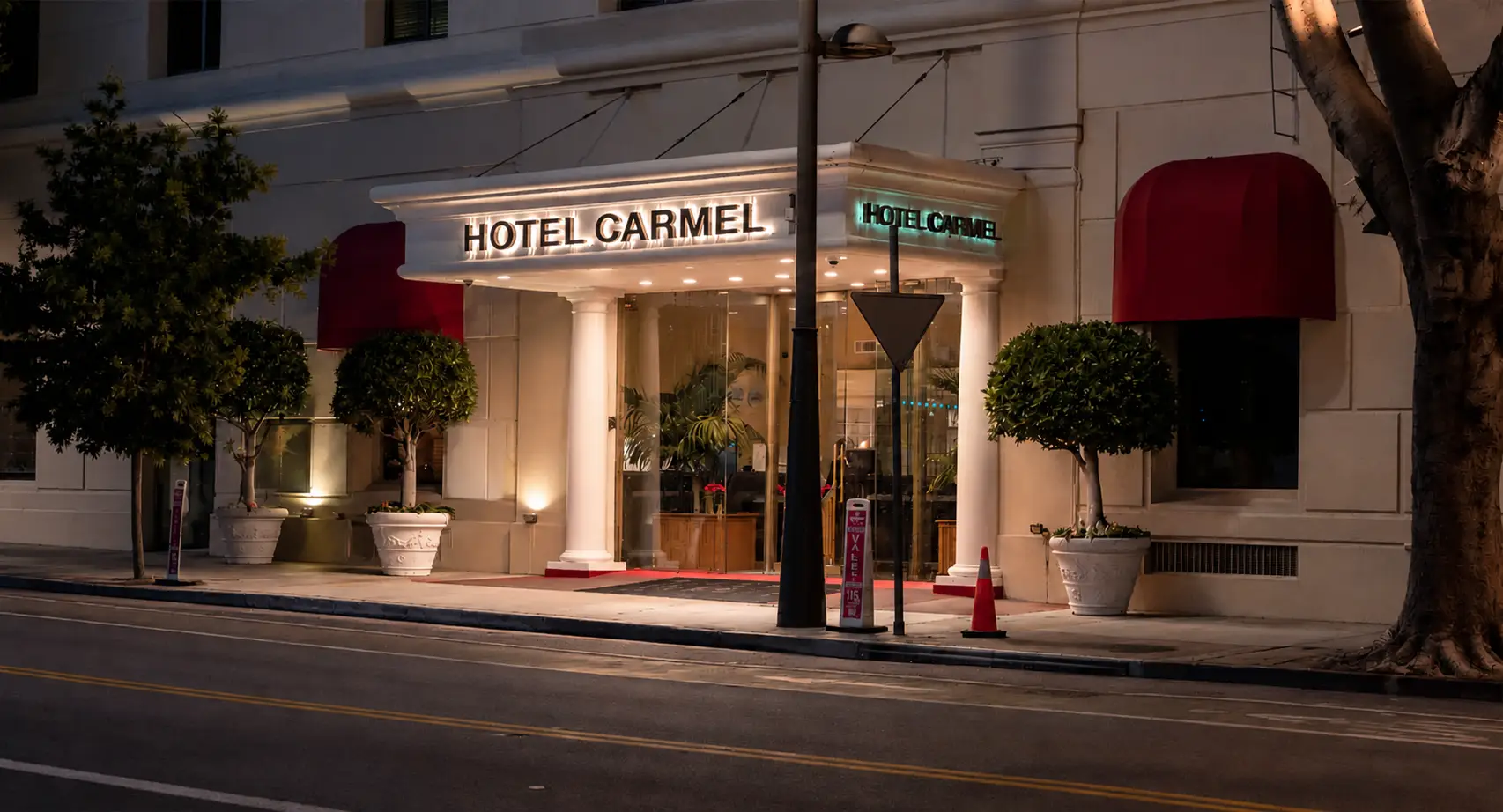
Before a guest reads a single word about your hotel, they look at the pictures. Photography is where someone decides if your property feels like their kind of place, and for a boutique hotel it has to carry the mood, design and personality that a big chain can’t offer. A few room shots taken on a phone won’t do that job, even alongside great writing.
Think of your photos as the story of a stay. Show the room, but also show the morning light coming through the window, the coffee setup, the tile in the bathroom, the courtyard at dusk and the view from the rooftop. Details like these help someone imagine themselves there, and that feeling is what gets them to book. People in the shots help too, as long as the scenes feel natural and not staged.
A strong set of hotel photos usually includes:
- Every room type, so guests can see the real differences
- Common spaces like the lobby, patio, pool or bar
- Small details that show your personality and care
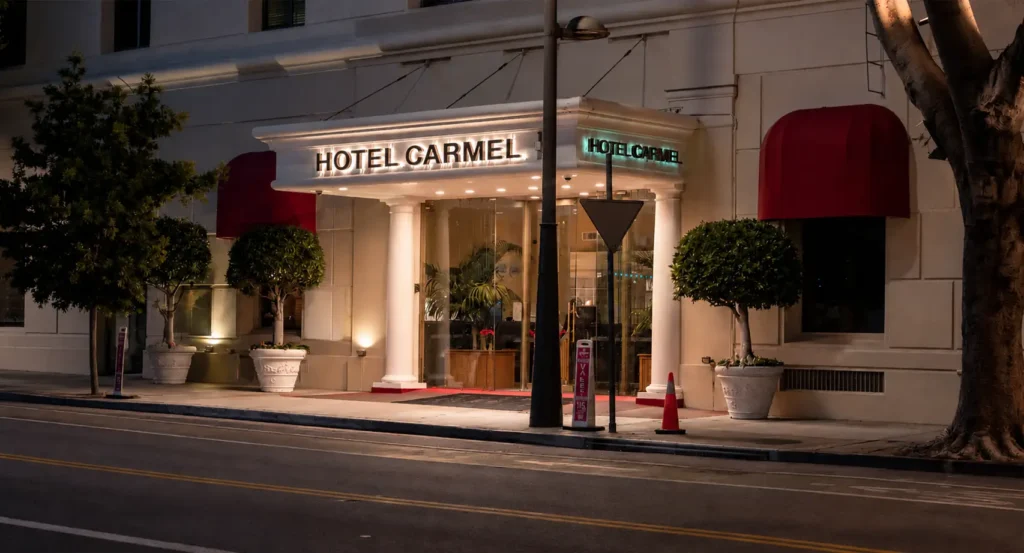
- The building’s exterior and entrance, so arriving guests recognize it
- The neighborhood, including the street, nearby cafes and the view
Accuracy matters as much as beauty. A wide-angle lens that makes a small room look like a ballroom will catch up with you in the reviews. Use the same high-quality photos everywhere guests find you, including your website, your Google Business Profile, booking sites and social media, so your hotel looks like the same place no matter where someone sees it. Professional photography is one of the best investments a boutique hotel can make, and a short video tour can go even further.Specificity Builds Confidence
Specificity Builds Confidence
“Conveniently located,” “thoughtfully designed,” and “a home away from home” could describe thousands of hotels. Specific information gives people something they can actually use.
Tell them what’s nearby, how the rooms differ, where they’ll park, what amenities they’ll have, and anything else that could affect their stay. If you are animal-friendly, mentioning that could be a big bonus. Being upfront about things like stairs, street noise, or an unusual check-in process doesn’t make your property less appealing. It helps the right guests decide if your hotel is right for them before they book. It also prevents the wrong guests from booking, regretting it, and later leaving a bad review.
Search Starts Before Someone Knows Your Hotel Exists
Travelers don’t always search for a hotel by name. They search for places to stay near an event or attraction, the best neighborhoods for their trip, boutique hotels in a particular area, and things to do once they get there. Creating useful content around those searches can help your hotel become part of the decision before someone has even heard of you.
This is where content about your neighborhood earns its keep. A page about the best places to eat within walking distance, a guide to getting to a nearby stadium or concert venue on event nights, or a list of things to do in your area on a rainy weekend gives travelers real answers. It also gives Google and AI platforms a reason to connect your hotel with those searches. Every one of those pages should lead back to your rooms and your booking page, because your website is where the visit turns into a reservation.
Travel planning is increasingly happening through AI too. People are asking ChatGPT and other platforms where to stay, what neighborhoods fit their plans, and which hotels suit their style. Clear information about your property, location, amenities, experience, and surrounding area helps search engines and AI platforms understand when your hotel may be a good recommendation.
Your Google Business Profile and Reviews
For many travelers, your Google Business Profile is the first thing they see about your hotel, often in Google Maps before they ever visit your website. Make sure your hotel category, address, phone number, check-in and check-out times, amenities and website link are all correct. Add plenty of the same great photos you use on your website, and keep adding new ones throughout the year. This information also feeds the answers AI platforms give when someone asks where to stay.
Reviews deserve the same attention. Travelers read them closely, and they read your responses just as closely. Reply to every review, thank guests for the specific things they mentioned, and answer the unhappy ones calmly with what you’ve done to fix the problem. A thoughtful reply to a bad review can build more trust than a dozen five-star ones, because it shows future guests how you treat people when something goes wrong.
Give People a Reason to Choose You
Travelers may find you through Google, social media, an online travel agency, a travel professional, or a recommendation. Each of these touchpoints is part of the customer journey that shapes their impression of your hotel before they ever book.
Once they reach your website, make the decision easy. Give them accurate photography, clear room and property information, reviews, policies, availability, booking information, and a reason to book directly when there is one.
Booking sites like Expedia and Booking.com can bring you guests, but they charge a commission on every reservation. Every guest who books directly with you keeps that money in your pocket and gives you their email address for the next trip. To earn that booking, offer something they can’t get anywhere else, like your best rate, a free late checkout, parking, a welcome drink or a more flexible cancellation policy. Then make the direct option obvious and quick. A “Book Now” button that’s always visible, a booking system that works well on a phone and as few steps as possible keep people on your website instead of sending them back to the booking site to finish the reservation.
A boutique hotel doesn’t need to appeal to everyone. That’s part of what makes it boutique. Your marketing strategy should make the personality of your property clear enough that the right guest doesn’t have to wonder why they should choose you. They should be able to look at your hotel and think, that’s where I want to stay.