Yep, search is changing…again. Google’s results pages are no longer just a list of blue links. Search has become conversational, visual, and powered by AI. The most visible results now come from Google Featured Snippets.
Snippets are sections Google chooses from a single webpage, such as lists, tables, definitions, or short explanations, and displays prominently in search results.

If you want your business to stay visible in search going forward, understanding how snippets work and pairing that knowledge with your web design and SEO plan is essential. Here is what they are, how they are evolving, and how to optimize your content to earn them.
What Are Google Snippets?
A featured snippet is a concise piece of information that Google pulls from a web page to provide a direct answer to a user’s question. They appear in various formats, including short text, lists, tables, and videos. Snippets make information easy to access, and they give brands valuable visibility even when users never click through.
👉 People are increasingly using the information provided in featured snippets instead of visiting the website itself. Because snippets often include a link to the source being referenced, they remain an important part of the future of SEO.
Featured snippets are dynamic and personalized. They are influenced by Google’s AI-powered Search Generative Experience (SGE), which combines content from multiple trusted sources to create richer, more contextual answers. Snippets can also appear in voice results, visual search, and even augmented reality interfaces.
The Main Types of Snippets
1. Featured Snippets
Featured snippets are still the classic answer boxes at the top of search results. They summarize key information from a page, often answering “what,” “how,” or “why” questions. These may also include video clips, image carousels, or data visualizations.
Why they help: They put your content in the top position, build credibility, and capture users at the moment of intent.
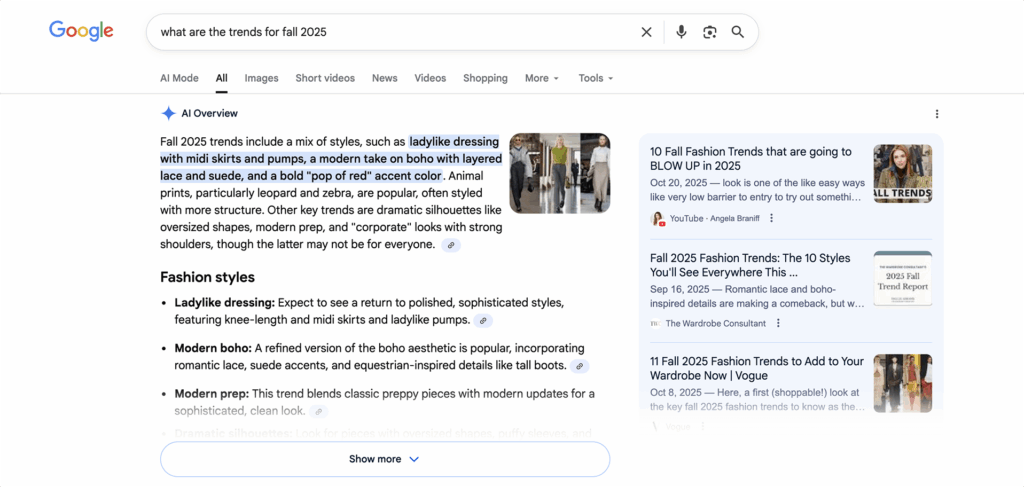
2. AI Overviews (SGE Snippets)
These AI-generated overviews now dominate search for complex queries. Instead of pulling from one source, Google’s system combines multiple pages into a synthesized summary. When your content is cited as a trusted source, you gain exposure within the AI-generated panel.
Why they help: They place your content in the most prominent space on the results page and increase authority across related topics.
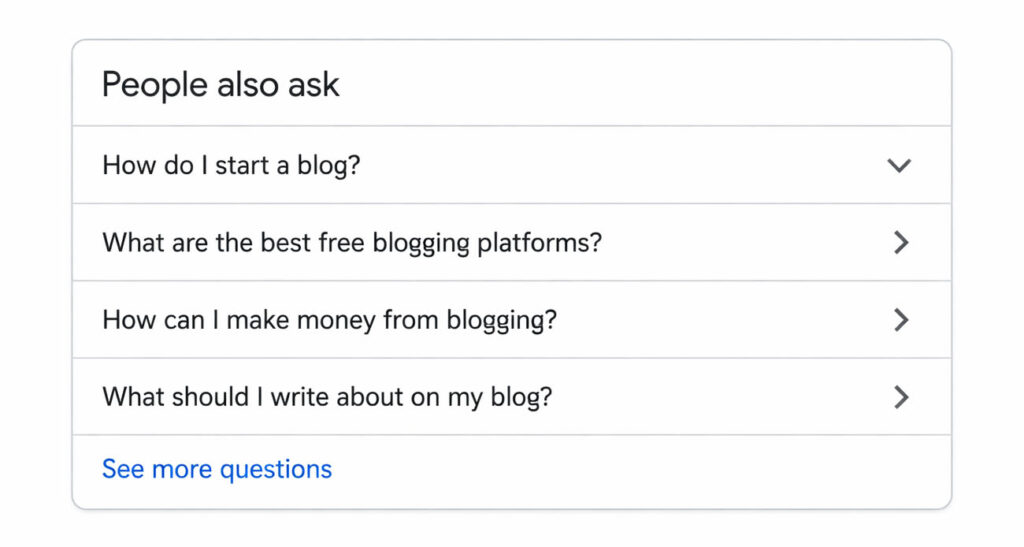
3. People Also Ask (PAA)
These expandable boxes feature related questions users commonly search. Each contains a short answer pulled from a relevant page. Optimizing for these increases your visibility across multiple search intents.
Why they help: They show Google views your content as comprehensive, topical, and trustworthy.
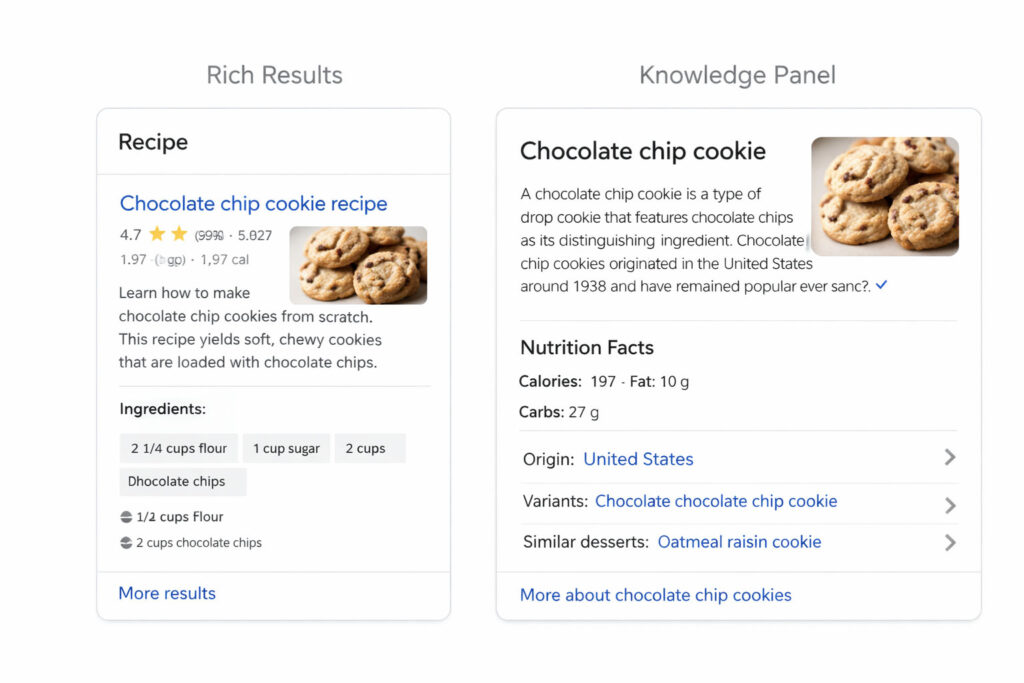
4. Rich Results and Knowledge Panels
Rich results display enhanced data such as star ratings, reviews, pricing, and FAQs. Knowledge panels show verified brand or personal details in a sidebar format. Both rely on structured data and brand authority.
Why they help: They make your listing stand out, add credibility, and improve click-through rates.
5. Voice and Visual Snippets
Voice assistants and visual search now pull snippets from content written in conversational, descriptive language. As smart devices, glasses, and visual search expand, optimizing for these new formats will drive discovery in ways traditional SEO cannot.
Why they help: They expand your visibility into spoken and visual queries and prepare your brand for the next generation of AI search.
How Google Chooses Featured Snippets
Google doesn’t randomly select pages for Featured Snippets. It looks for content that answers a question clearly, accurately, and in a format that’s easy to understand. Pages with concise definitions, numbered steps, bullet lists, tables, and well-organized headings are much more likely to be selected.
Google also favors pages that provide complete, trustworthy answers rather than just repeating what everyone else says. Content that explains a topic clearly, answers follow-up questions, is easy to scan, and stays current gives Google more confidence that it’s a good source to feature.
Common reasons a page isn’t selected include:
- The answer is buried instead of being stated clearly.
- The content is difficult to scan or poorly organized.
- Another page answers the question more directly or more completely.
- The information is outdated or doesn’t provide enough value.
While no one can guarantee a Featured Snippet, making your content easier for both people and Google to understand greatly improves your chances of earning one.
How to Write Content That Achieves Google Snippets
Earning snippet placement is not about luck. It is about writing clearly, organizing your content strategically, and signaling to Google’s AI what your page delivers.
1. Structure for Scannability
Use short paragraphs, clear subheadings, and ordered lists. Google’s AI prefers clean structure it can parse easily. If your article includes steps or tips, number them.
2. Lead With the Answer
Put the key takeaway or definition in the first 1–2 sentences of your section. Google favors pages that answer the question directly before adding context.
3. Use Natural Language and Questions
Write as if you are answering someone out loud. Include common question phrases such as “What is,” “How does,” or “Why does.” This helps match both typed and voice queries.
4. Create Lists, Tables, and Summaries
Snippets often extract content formatted as bullet points, tables, or step-by-step instructions. Use these for clarity and to increase snippet eligibility.
5. Add Schema Markup
Use structured data like FAQ, HowTo, or Article schema to help Google understand the type of content you are offering.
6. Optimize for AI and SGE Context
Google’s AI now favors sources that demonstrate expertise, authority, and trust (E-E-A-T). Keep your facts accurate, cite reputable sources, and update your content frequently.
7. Prepare for Voice and Multimodal Search
Write concise, conversational answers and use descriptive language for images and videos. Optimize metadata and alt text so your content can appear in visual and spoken results.
Why Google Featured Snippets Will Matter More Going Forward
As search evolves, it becomes more integrated with AI, voice, and visual discovery. Featured snippets are the new front door of visibility. They help users find you faster, position your brand as an expert, and allow Google’s AI to surface your content in richer formats.
These days, ranking will not just mean being on page one. It will mean being featured, cited, and trusted inside Google’s dynamic results. Brands that write with clarity, structure, and authority first will own the space where users are already getting answers.
Search now belongs to brands that make information simple, accurate, and valuable. Snippets are your shortcut to visibility and trust. When you structure your content clearly, write for humans first, and help AI understand your expertise, you position your brand at the center of every answer that matters.