Originally published September 2024. Updated for 2026.
In luxury, success has little to do with the product alone. It comes down to the story, the control, and the intention behind every move. The brands at the top are not selling items. They are creating desire, protecting access, and building emotional connection at every level. So what is it that actually makes luxury brand marketing work today?
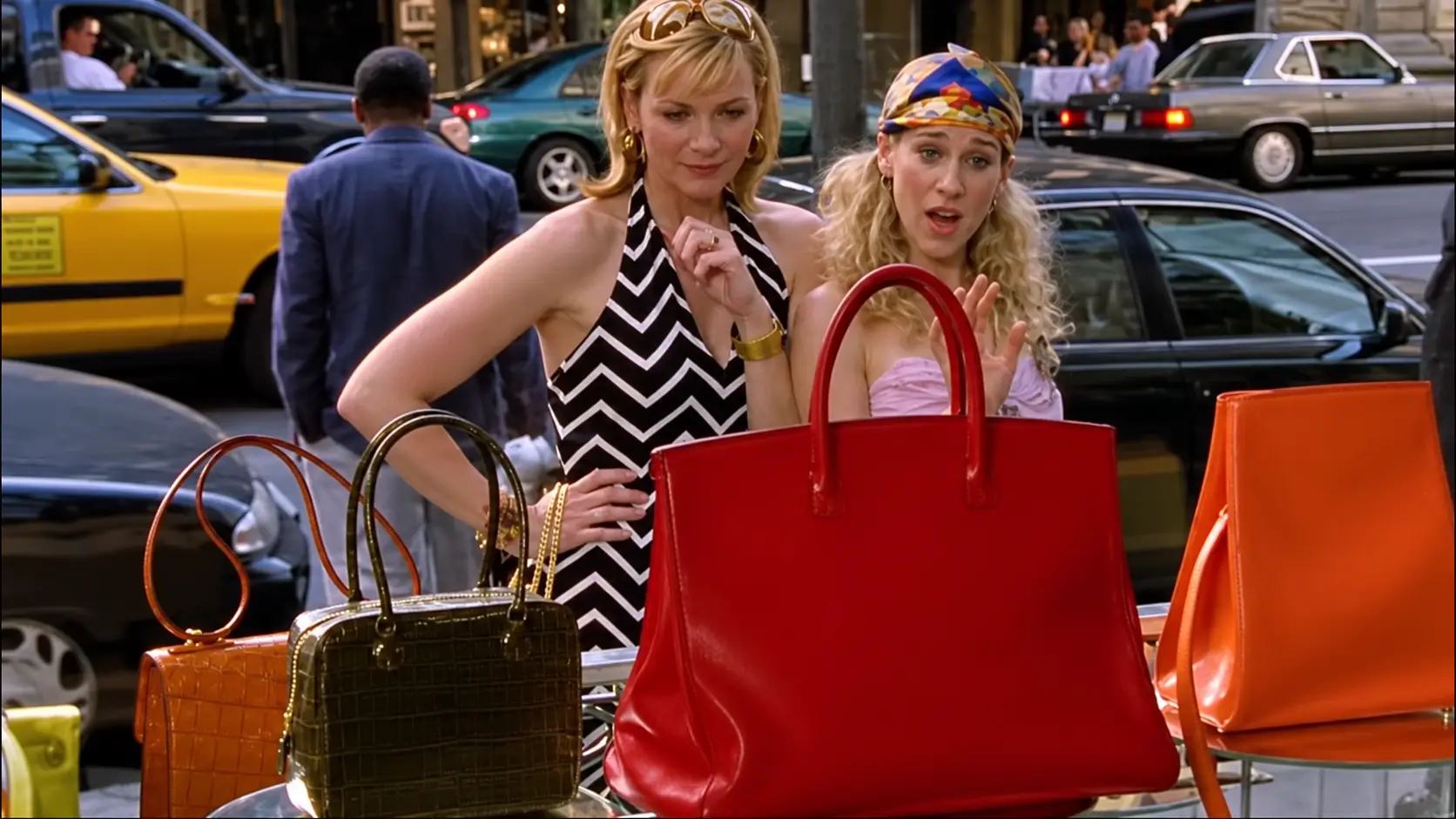
Samantha standing outside the boutique, staring at a Birkin she cannot simply walk in and buy, is not just a classic pop culture moment but a luxury brand marketing masterclass. The scene captures the essential dynamic of the category: the product is visible yet unattainable, desire is created through distance, and the emotional tension becomes more powerful than the object itself. Luxury lives in that space between access and aspiration.
What is luxury brand marketing?
Luxury brand marketing builds long term value by connecting a brand to identity and exclusivity rather than to features, and certainly never to price. Through storytelling, the brand itself becomes the object of desire and the product is simply how someone becomes a part of that world. When everything starts to sound the same, the brands with a real point of view are the ones people remember.
Storytelling, exclusivity, and cultural credibility
Narrative creates desire, but exclusivity protects its value. That is why the strongest luxury brands limit availability, design invitation based experiences, and choose partnerships carefully. The goal is not reach. It is relevance. Visibility alone no longer signals status. Alignment, consistency, and restraint do.
Hermès is actually a great example. Birkins aren’t sold on the Hermès website or displayed for sale in its stores. Sales associates offer them to clients, and buyers widely report that a relationship with the store comes first. Restraint hasn’t hurt the business. Hermès reported about $19 billion in revenue for 2025, up 9% at constant exchange rates (meaning currency swings are not counted), according to its full-year results.
Design, emotion, and customer experience as value signals
For luxury brands, design communicates before a single word is read. Typography, photography, motion, layout, and performance all signal precision and care, and when the experience is slow or fragmented, the perception of the brand drops with it. Luxury is built on recognition, consistency, and attention to detail.
In practice, that means giving the work room to breathe. Use fewer, larger photos taken by a professional, plenty of white space, and one or two typefaces used the same way on every page. Keep motion subtle so it guides the eye instead of distracting the visitor. A guest booking a $900 suite or a client commissioning a custom piece notices when a page loads slowly or a photo looks dated, and that small moment of doubt is enough to send them somewhere else.
The luxury website as the primary brand environment
For luxury brands, the website is the digital flagship. Social creates awareness, but the brand’s own environment is where depth, control, and access live. (Personally, I believe this to be true in the case of most established brands.) Performance and structure are not technical details. They are credibility signals. The website is not just for marketing. It is a core expression of brand positioning, and it should reflect the quality of the business behind it.
Here’s how to build selective access into your own website:
- Make sure to test it on your phone. Slow pages, blurry photos and broken forms undo all the work that went into everything else.
- Swap “buy now” for “request” on your top offerings. An inquiry or appointment form for your best suite, private event or signature service makes the experience feel personal. It starts a conversation instead of a transaction.
- Create a private client page. A password-protected page for returning clients can preview new collections, rooms or menus before anyone else sees them.
- Build an early access list. Give people a way to join a waitlist, and email that list first whenever something new or limited is released.
- Tell the story on every key page. Explain the materials, the maker, the process or the history. Someone spending serious money wants to know what makes it worth it.
Luxury brand marketing in the age of AI
An important note. AI has changed online discovery, but it has not changed what makes a luxury brand desirable. The most effective brands use it quietly to personalize service and strengthen direct relationships while the visible experience remains human and considered. As discovery becomes more automated, owned platforms and direct audiences matter more because they protect how the brand is experienced.
What luxury brand marketing requires now
Luxury brand marketing is not about being everywhere. It is about being experienced in the right place, in the right way, at the right moment. Every part of the customer journey either reinforces the brand’s world or weakens it. The brands that lead treat every interaction, online and offline, as a direct reflection of their standard.